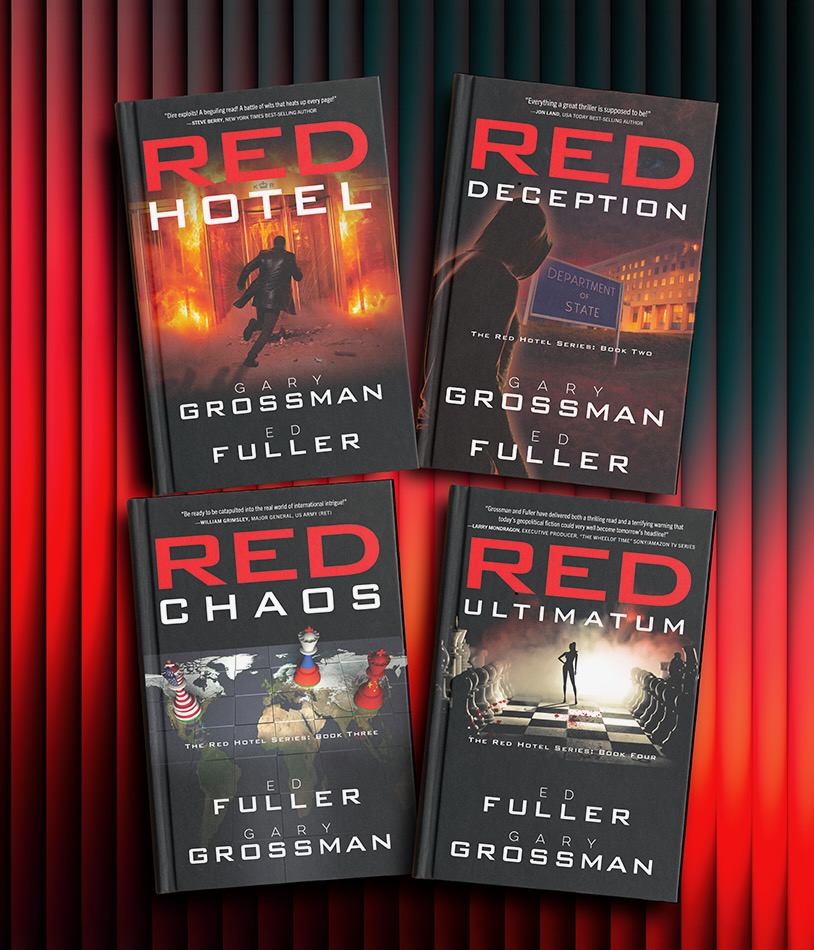
There’s a reason some stories feel less like fiction—and more like a warning.
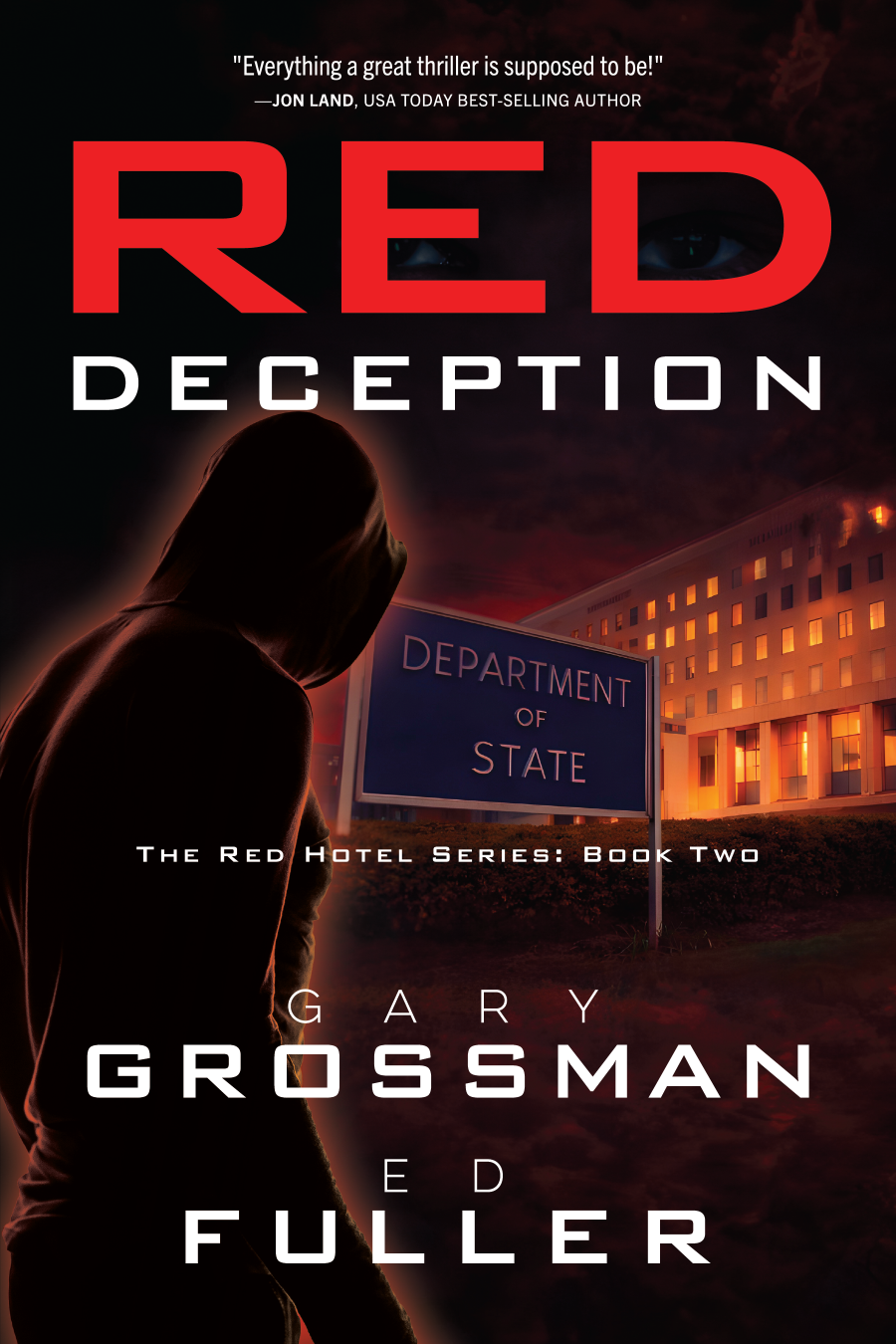
In The Red Deception by Ed Fuller and Gary Grossman, the narrative unfolds with chilling precision: coordinated attacks on U.S. infrastructure, geopolitical tension escalating across multiple regions, and adversaries exploiting distraction, timing, and vulnerability. It reads like a high-octane thriller.
But step back for a moment—and look at the world around us. The parallels are hard to ignore.
A World of Coordinated Chaos
One of the most striking elements of The Red Deception is its opening sequence: multiple, near-simultaneous attacks on critical infrastructure across major U.S. cities. Bridges, tunnels, transportation arteries—targets chosen not just for destruction, but for maximum disruption. This isn’t random violence. It’s strategy.
It reflects a modern reality where threats are no longer isolated. Instead, they are coordinated, multi-domain, and designed to overwhelm response systems. As described in the book’s premise, these attacks are part of a broader, interconnected plan—one that stretches beyond borders and beyond a single moment.
Today’s global security analysts increasingly warn of similar scenarios:
- Cyberattacks paired with physical disruption
- Infrastructure vulnerabilities being mapped and tested
- Small, precise actions triggering large-scale consequences
What once felt like fiction now aligns closely with real-world defense planning.
The New Cold War Isn’t So New
In the novel, rising aggression from Russia and strategic positioning across Eastern Europe play a central role. Military buildups, pressure on neighboring states, and calculated brinkmanship all contribute to a rapidly escalating situation.
Sound familiar?
The idea of a “new Cold War” is no longer theoretical. Nations are:
- Reasserting territorial influence
- Testing alliances like NATO
- Leveraging hybrid warfare tactics (military, cyber, economic)
What The Red Deception captures so effectively is not just the existence of these tensions—but how quickly they can escalate when layered with distraction and misdirection.
As one expert endorsement in the book notes, the scenarios are “plausible,” reflecting real-world dynamics between global powers.
Asymmetric Threats: The Invisible Battlefield
Another key theme is asymmetry.
The threats in The Red Deception don’t come in the form of traditional armies alone. They come from:
- Small, highly trained teams
- Sleeper agents
- Non-state actors aligned with larger geopolitical agendas
These are the kinds of threats that are hardest to detect—and hardest to stop.
The book highlights how such actors can embed themselves quietly, sometimes for years, before activating.
This mirrors ongoing concerns in the real world:
- Intelligence agencies tracking covert operatives
- Growing focus on domestic vulnerabilities
- The challenge of identifying threats that don’t look like threats
It’s not about overwhelming force. It’s about precision, patience, and timing.
Infrastructure: The Soft Underbelly
Perhaps the most unsettling connection between fiction and reality lies in infrastructure.
In The Red Deception, systems we take for granted—bridges, water supplies, transportation networks—are revealed as critical points of failure. The complexity that makes them efficient also makes them vulnerable.
And that’s not speculation.
Modern infrastructure is:
- Interconnected
- Digitally managed
- Often under-protected relative to its importance
The novel underscores a sobering truth: you don’t need to attack everything—just the right things.
Why This Story Feels Different
Plenty of thrillers claim to be “ripped from the headlines.”
The Red Deception goes a step further. It feels like it’s running parallel to them.
That’s because the authors draw from deep real-world experience in global business, travel, and security environments—worlds where risk is constantly assessed, and where the unexpected is always one step away.
The result is a narrative that doesn’t just entertain—it informs.
It forces readers to consider how fragile systems can be, how quickly situations can evolve, and how interconnected our world truly is.
The Line Between Fiction and Reality
There’s a quote often attributed to Sir Arthur Conan Doyle:
“There is nothing more deceptive than an obvious fact.”
That idea sits at the heart of The Red Deception.
Because the most dangerous threats aren’t always hidden—they’re often right in front of us, embedded in the systems we trust, the routines we follow, and the assumptions we make about safety and stability.
A Story That Asks a Bigger Question
Ultimately, The Red Deception isn’t just about what happens.
It’s about what could happen.
And more importantly:
Are we paying attention?
Because in a world where global events increasingly mirror the tension, complexity, and unpredictability of a thriller…
The line between fiction and reality isn’t just blurred.
It’s disappearing.