Walk into a hotel and you notice what it’s designed to show you: a polished lobby, friendly staff, busy restaurant, smooth check-in.
A security professional sees something different—flow, access points, movement patterns, and anything that doesn’t fit.
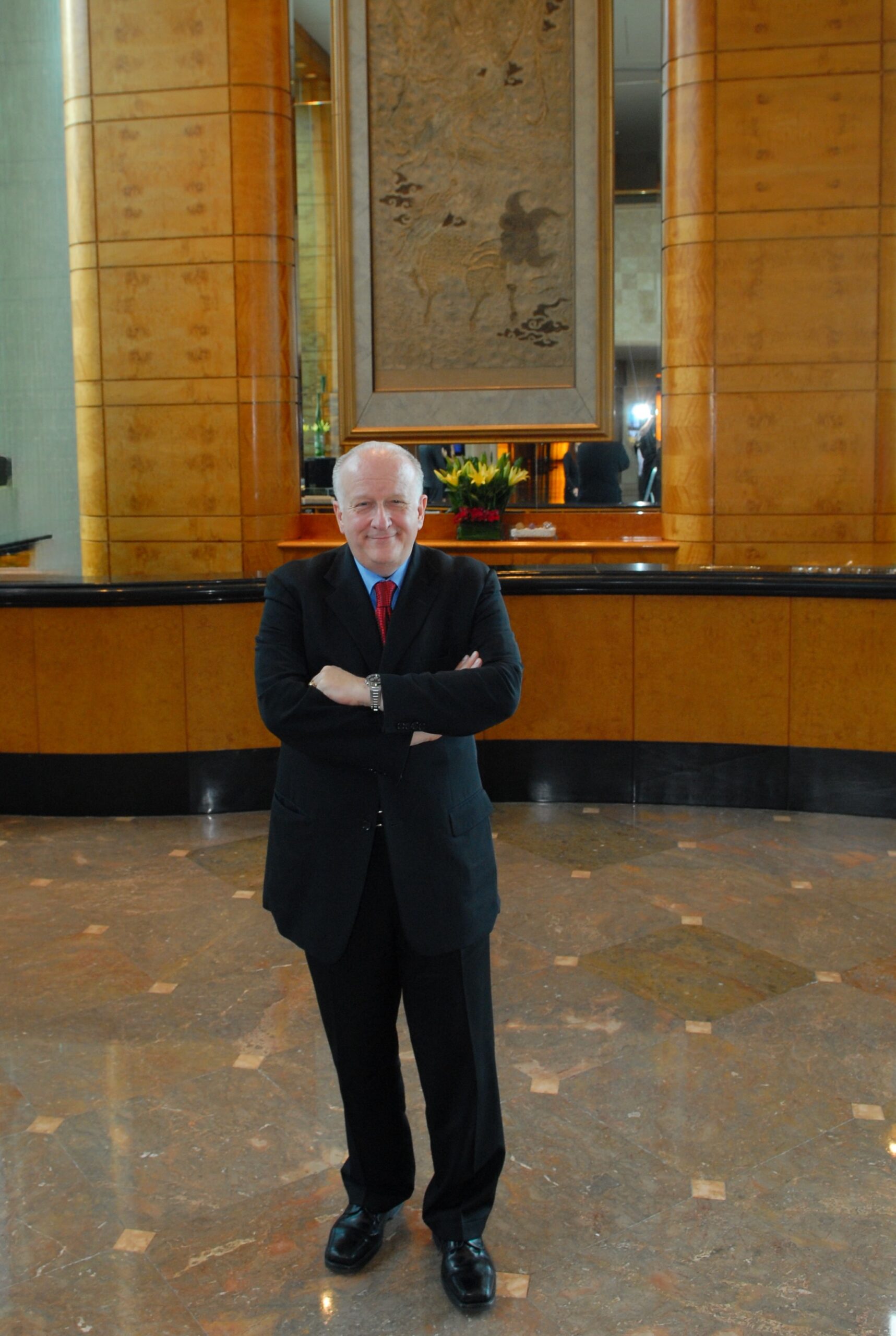
That perspective shaped Ed Fuller long before he became a senior Marriott executive and co-author of the Red Hotel Series.
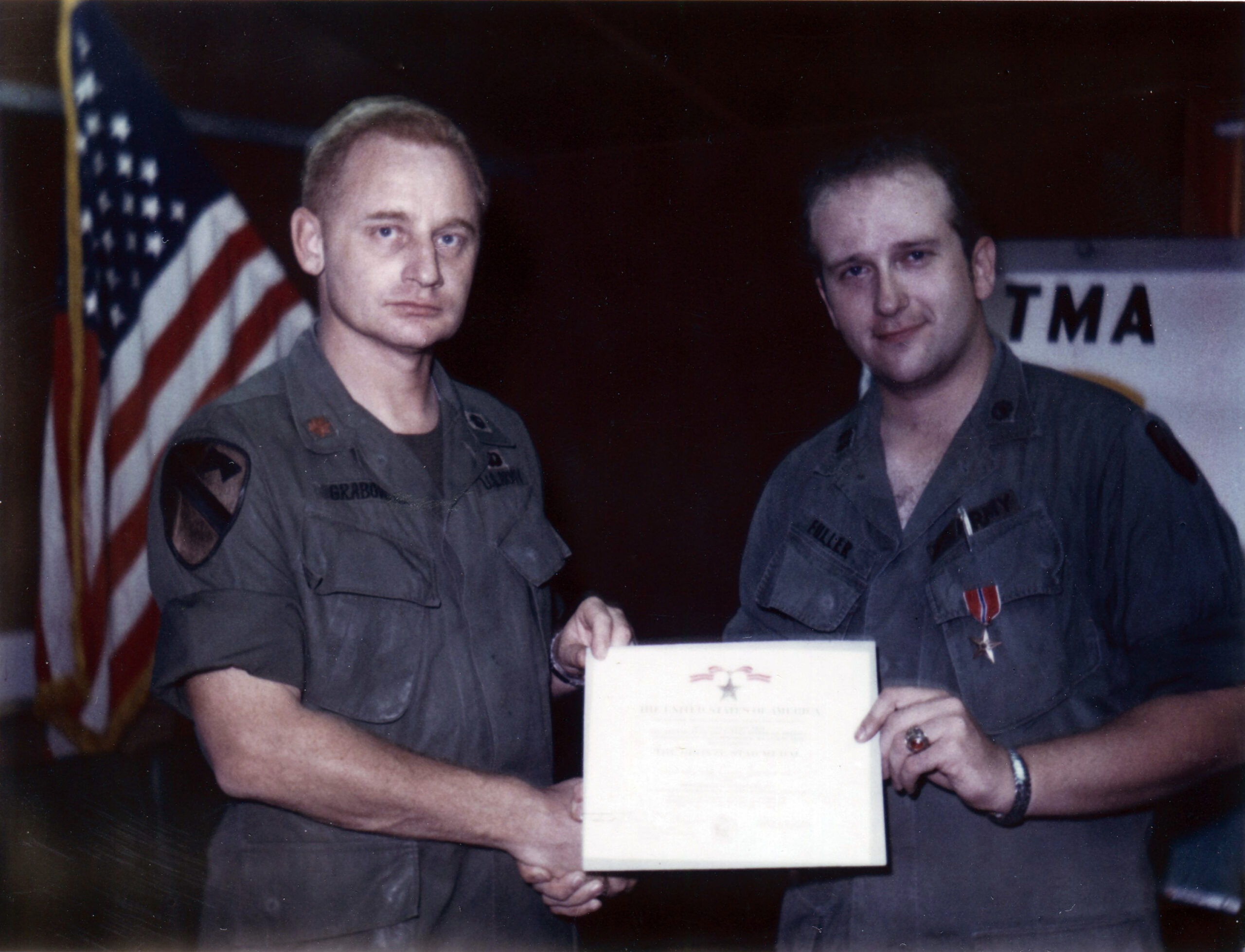
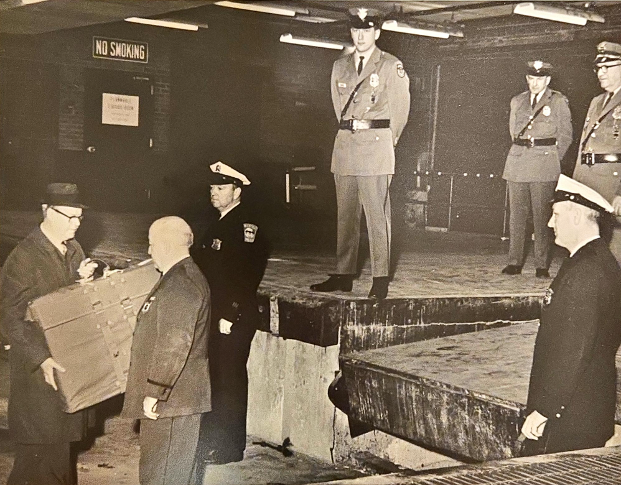
From 1964 to 1968, he worked security at Boston’s Prudential Center for Pinkerton. Robbery attempts and coordination with Boston police made it a formative experience.
Seeing Patterns, Not Just Places
Security work trains you to read behavior.
Most people follow predictable routines—entering through the same doors, moving with purpose, sticking to familiar paths. That predictability is useful because it makes anything unusual stand out quickly.
Fuller learned to notice those details early, and the habit stayed with him throughout his career.
Hotels Are Built on Openness
Hotels are designed to be accessible, which makes them complex environments.
Guests, staff, vendors, and events all share the same space. Public and restricted areas overlap. The challenge is maintaining safety without disrupting the sense of welcome.
That tension is part of what makes hotels effective settings for fiction.
In the Red Hotel Series, that environment connects directly to global intrigue. The story follows Dan Reilly, an international hotel executive with an Army intelligence background and CIA ties, operating at the intersection of hospitality and security.
Awareness Still Matters Most
Technology has changed security, but the core requirement hasn’t: someone has to pay attention.
Fuller once joked about being replaced by a security robot, but the point was serious. Cameras and systems can record and alert, but they don’t interpret.
Human awareness still drives response.
Small Changes Signal Big Problems
Major incidents rarely appear out of nowhere. They start with small shifts—someone in the wrong place, a break in routine, a detail that doesn’t match the pattern.
Over his career, Fuller encountered far more serious situations, including kidnappings, bombings, and political unrest during his time with Marriott.
Those experiences reinforce a key idea behind Red Hotel: security is not just reaction. It’s recognition, preparation, and judgment under pressure.
That’s why hotels work so well in geopolitical thrillers. They sit at the center of movement, business, and international travel—places where ordinary moments can quickly turn into something larger.
For Fuller, who spent decades learning to observe how systems and people behave, that environment is natural storytelling ground.