A great international thriller needs more than an exciting plot. It needs a believable world.
The politics, cities, businesses, cultures, security concerns, and people have to feel authentic enough that readers can imagine the story actually happening. For Ed Fuller, co-author of the Red Hotel Series, that international perspective came not from sitting behind a desk and studying maps. It came from decades of working, traveling, serving, leading, and listening around the world.
Fuller’s career took him from security work in Boston to military assignments in Germany and Vietnam, and later into international hospitality and global business. Along the way, he spent time with business and political leaders in cities ranging from Shanghai and Beijing to London, Paris, Mexico City, Frankfurt, Sydney, Dubai, and Manaus.
Here are 10 places that help explain the worldview behind his thriller writing.
1. Boston: Learning to Watch
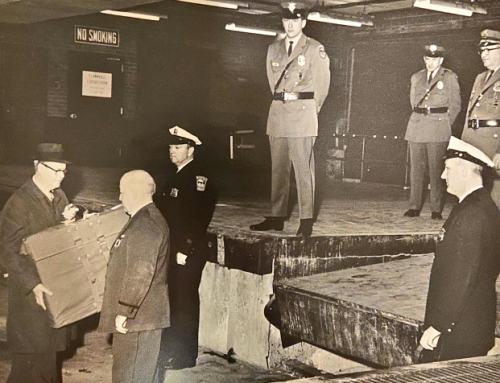
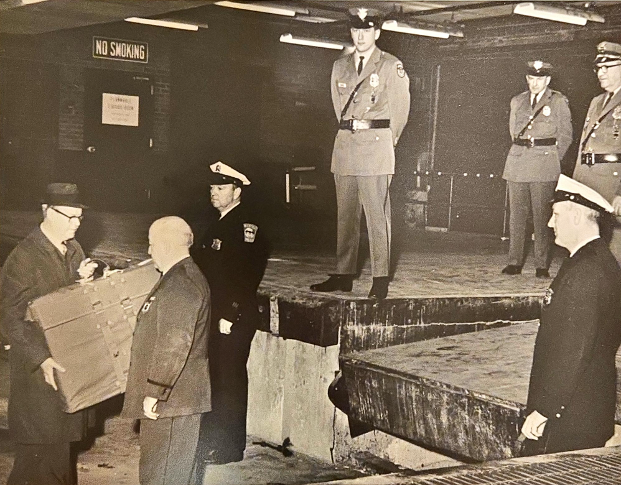
Fuller’s early years as a Pinkerton security officer at Boston’s Prudential Center taught him the fundamentals of observation. He encountered robbery attempts, worked with Boston police, and learned how quickly an ordinary day could become something unexpected.
For a future thriller writer, it was an important education: watch the people, understand the environment, and notice what others might miss.
2. Frankfurt: Leadership on an International Stage
As a young Army officer in Frankfurt, Fuller was placed in a position with responsibilities far beyond what his rank might have suggested. He attended command-level meetings, handled high-level security communications, and learned how to operate within a complex multinational organization.
That experience offered an early lesson in international leadership and accountability.
3. Cam Ranh Bay: Crisis Arrives Without Warning
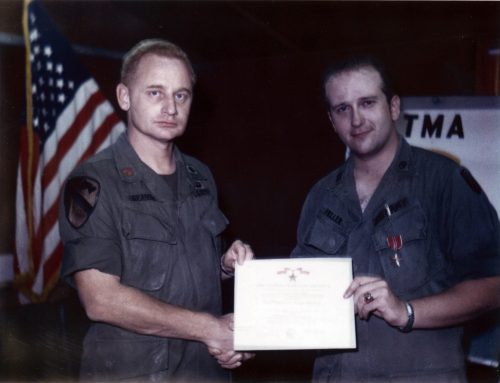
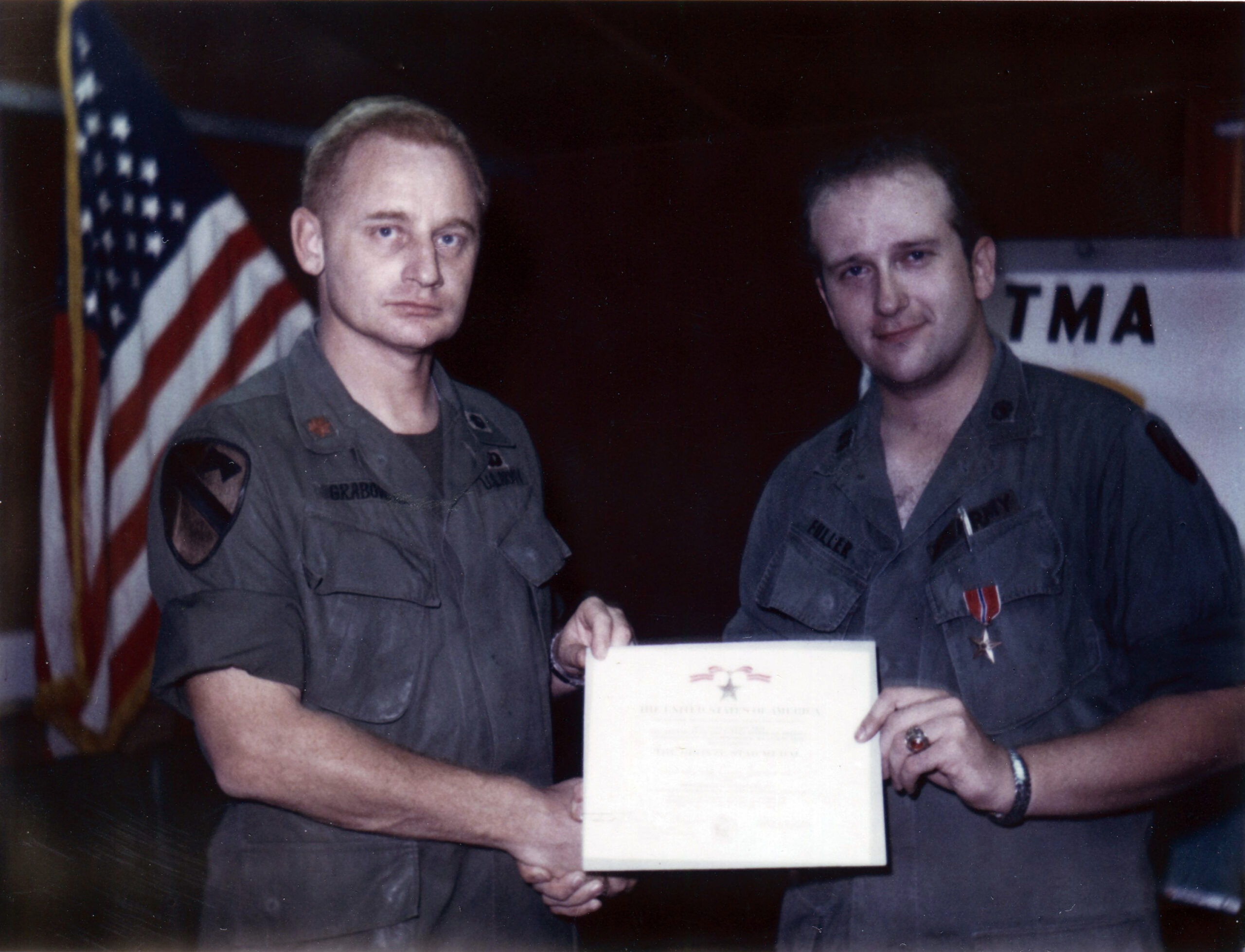
Fuller’s first night in Vietnam was spent in protective culverts while mortar rounds landed around his position. It was a dramatic introduction to a world in which danger was no longer theoretical.
The experience would contribute to a lifetime understanding of what pressure feels like when decisions have consequences.
4. Saigon: Politics and Operations Collide
Working with MAC-V in Saigon meant dealing with military operations while navigating a complicated political environment. Fuller worked with multiple branches of the U.S. military and advised the Vietnamese Army.
That combination of politics, logistics, personalities, and danger is remarkably close to the territory of geopolitical fiction.
5. Shanghai: Seeing Global Issues Differently
Years later, Fuller interviewed business leaders in Shanghai as part of his international work on environmental and sustainability issues. He discovered that different regions approached the same global challenge in very different ways.
That is an important lesson for an international novelist: the world does not respond uniformly.
6. Beijing: Understanding Emerging Global Power
Fuller’s work also brought him to Beijing and other international centers where he could compare perspectives across markets and cultures. Those experiences contributed to a broader understanding of how global issues develop differently from one country to another.
7. London: The Power of Relationships
Fuller’s involvement with international business organizations brought him into meetings and events in London, including Buckingham Palace and the British Museum.
The lesson was not simply about famous places. It was about the power of relationships and influence.
8. Mexico City: Different Markets, Different Realities
Mexico City was among the cities where Fuller interviewed industry leaders and later conducted surveys. His work demonstrated that global initiatives often develop according to local conditions.
9. Manaus: Business Meets Community
In Manaus and the Amazon, Fuller witnessed a different dimension of international business. Marriott supported a local community through a preservation initiative involving Brazil nut harvesting, a water ambulance, a school, and community stipends.
10. Dubai: The Global Conversation
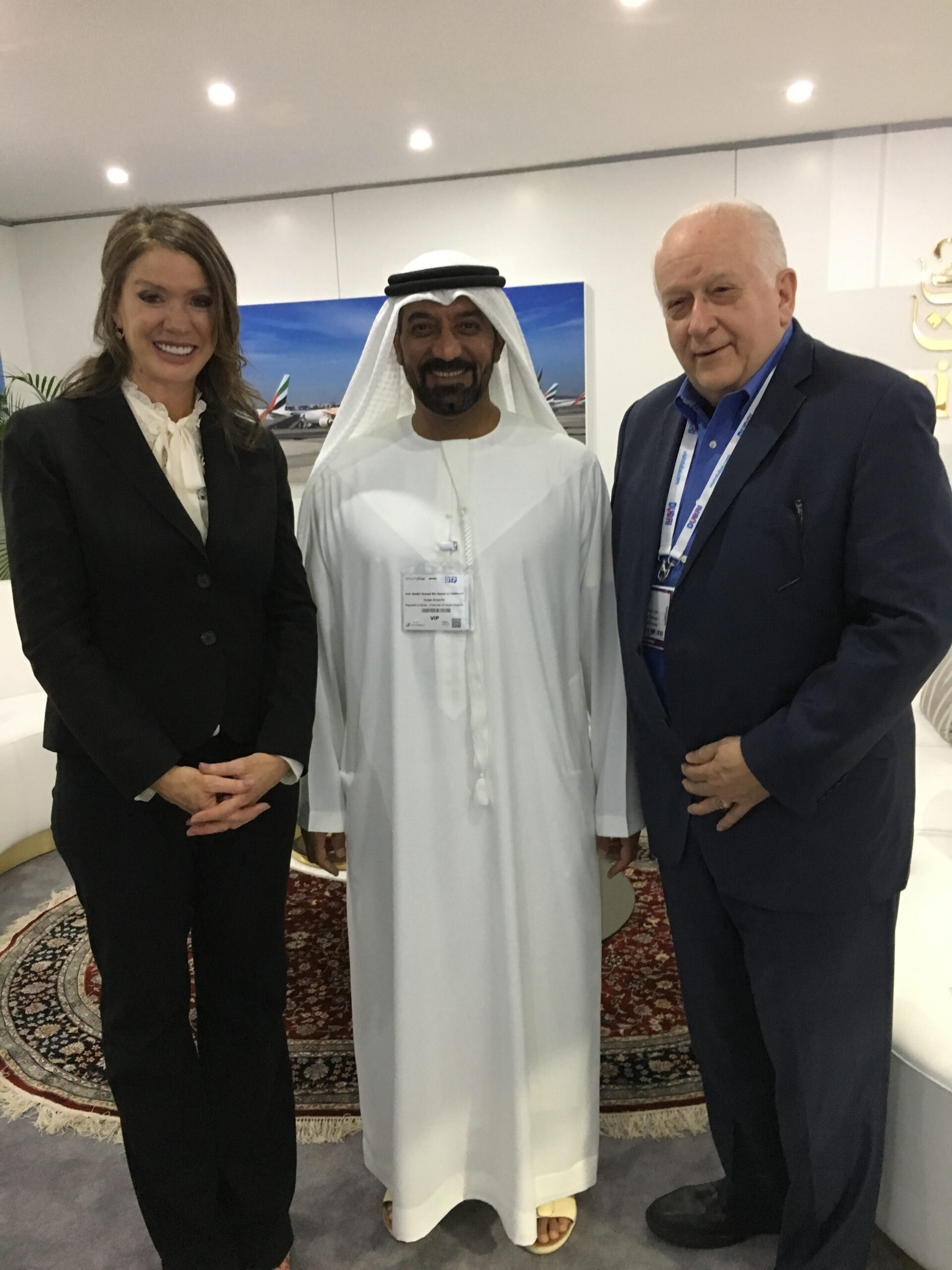
Dubai was among the international cities where Fuller helped organize sessions during his years working on global hospitality initiatives.
Together, these places formed something more valuable than a travel itinerary: a global education.
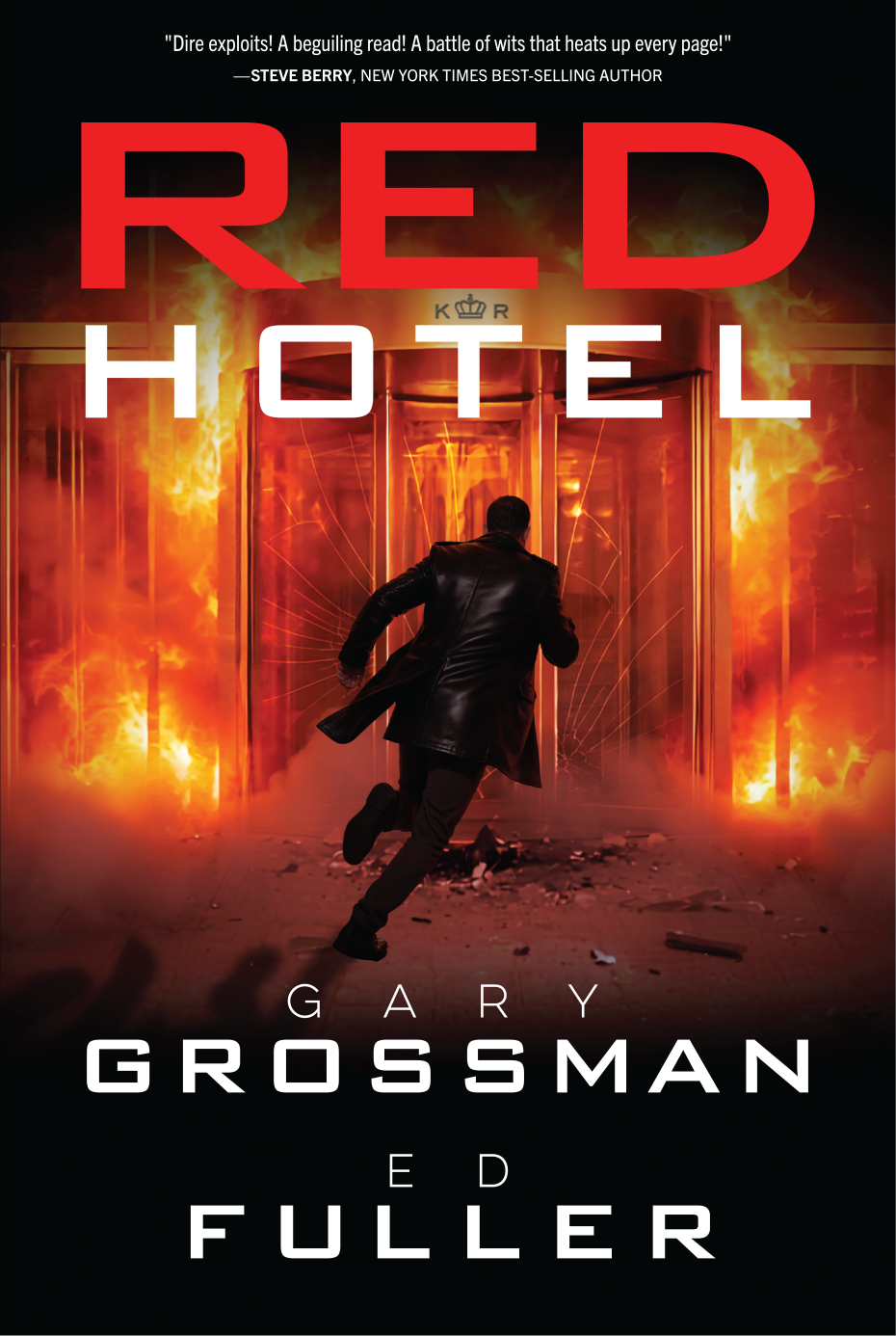
That education matters in the Red Hotel Series. The books follow Army intelligence officer Dan Reilly, now an international hotel executive with high-level access to the CIA, as terrorism and geopolitical crises unfold around the world.
The locations feel important because, for Fuller, locations were never just dots on a map. They were places where people made decisions, businesses operated, governments responded, and unexpected events changed everything.