To most travelers, a hotel is a place to sleep, eat, work, and relax.
To someone with a career spanning security, military service, and international hospitality, it can look very different.
A hotel is a complex environment. Guests, employees, executives, contractors, visitors, and strangers may all move through the same building. There are public areas, private spaces, entrances, elevators, meeting rooms, kitchens, parking areas, and hundreds of interactions taking place every day.
Ed Fuller’s career gave him an unusual opportunity to understand that environment from the inside.
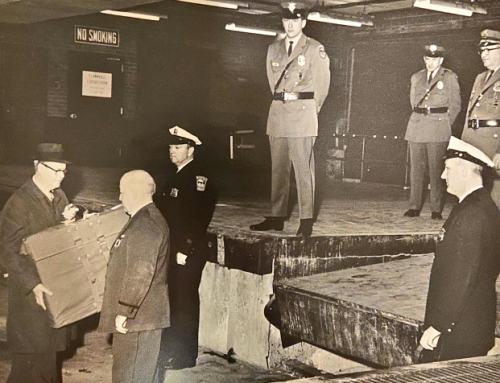
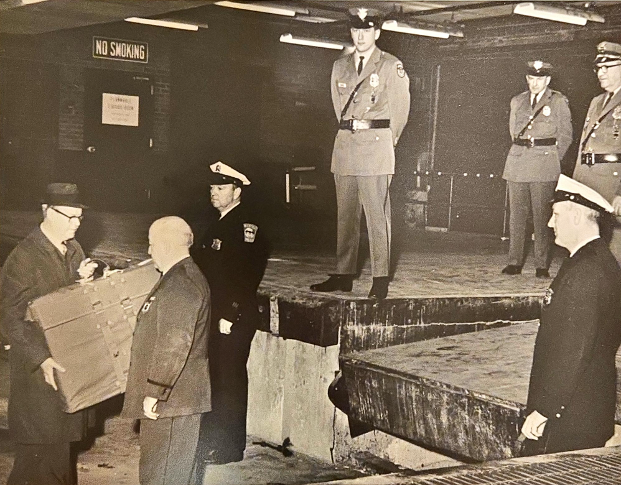
Before becoming a senior leader at Marriott International and co-author of the Red Hotel Series, Fuller worked as a security officer for Pinkerton at Boston’s Prudential Center from 1964 to 1968. He remembers those years as one of his most important learning experiences, including robbery attempts and working alongside Boston police.
The lessons went beyond responding to individual incidents.
Security Begins With Observation
Fuller’s early security work taught him to watch.
A security professional has to notice movement, behavior, access points, unusual circumstances, and changes in the normal rhythm of a building. The job requires patience because most of what happens during a security shift is routine. The challenge is recognizing the moment when routine begins to change.
That perspective stayed with Fuller throughout his career. His later understanding of hotels was not simply about hospitality. It was about how people and systems interact in environments where something unexpected can happen at any time.
Hotels Are More Than Buildings
A hotel is a unique security environment because it is designed to be open.
Guests expect to come and go. Visitors enter. Meetings take place. Restaurants and public spaces attract people who may not be staying overnight. At the same time, hotels have employees-only areas and systems that have to function continuously.
That creates a complicated balance.
The goal is not simply to prevent people from entering. Hotels have to welcome people while maintaining awareness of potential risks.
This tension makes hotels particularly compelling settings for thrillers.
In the Red Hotel Series, hotels are not simply scenery. The series places international hotel executive Dan Reilly at the center of global intrigue, where his professional position intersects with terrorism, intelligence operations, and international political crises.
Security Is Also About People
Technology can help monitor a building, but Fuller’s experience suggests that security ultimately depends on people who know how to observe and respond.
There is a humorous story that illustrates the point. Years after his Pinkerton days, Fuller encountered a security robot and joked that he had been replaced. But the joke carried a serious observation: someone—or something—still has to watch.
Technology may change the tools, but awareness remains fundamental.
When Routine Becomes Crisis
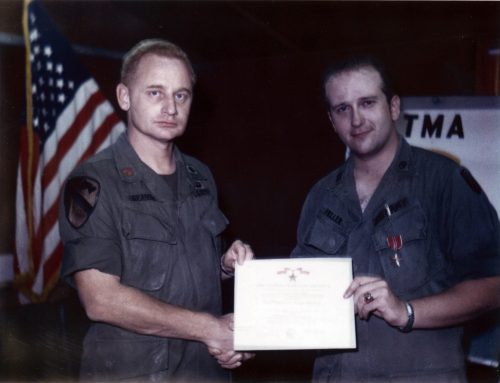
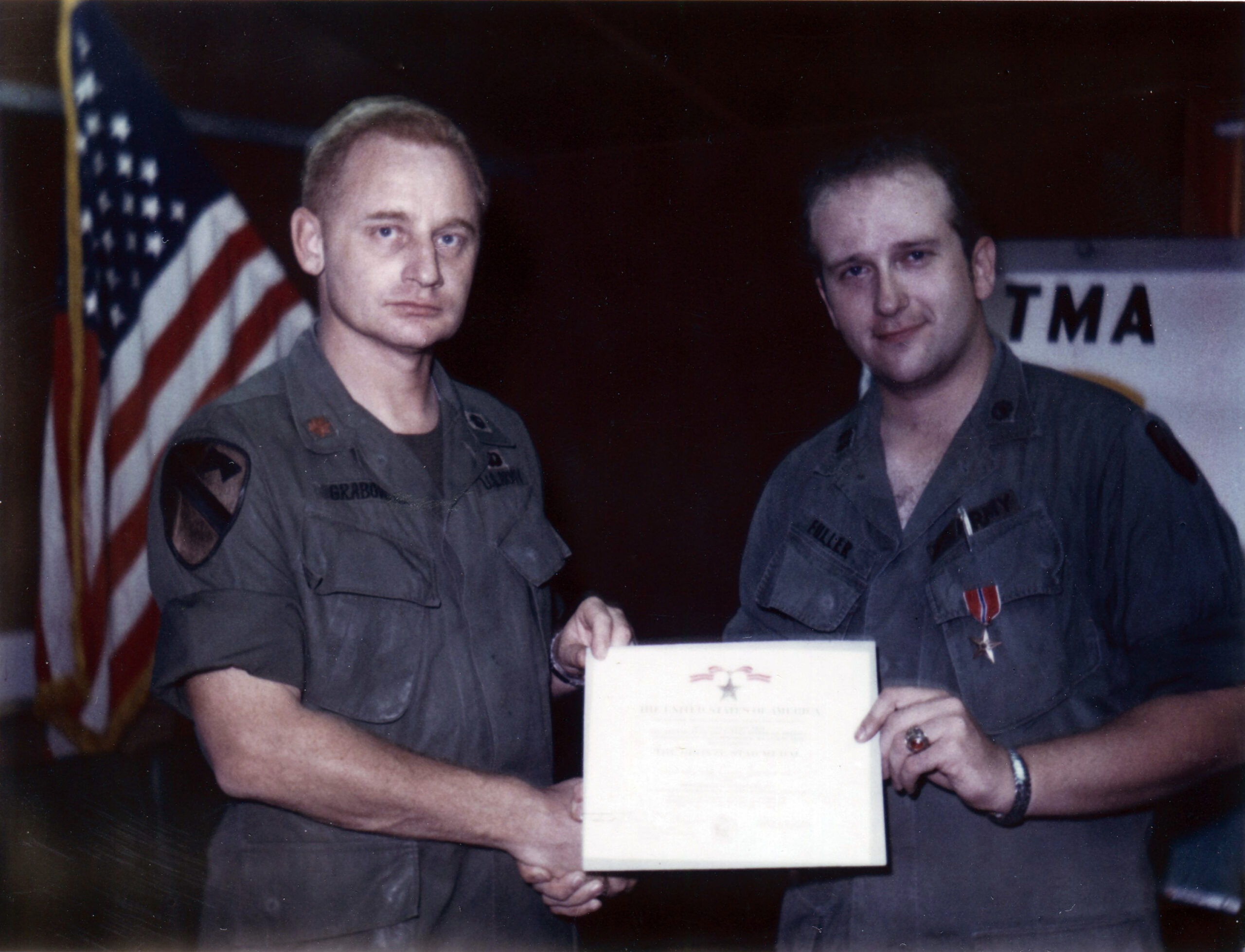
Fuller’s career eventually exposed him to much larger crises. His military experience and years with Marriott included encounters with kidnappings, bombings, insurrections, and government overthrows.
Those experiences help explain why the crises in Red Hotel are connected to real-world systems. A security incident rarely exists in isolation. It can affect employees, guests, businesses, governments, and entire communities.
That is one of the reasons the series can move naturally between hotels, intelligence operations, international politics, and terrorism.
The hotel is the meeting point.
It is where people from different countries cross paths. It is where business and politics can intersect. And in a geopolitical thriller, it can become the place where an international crisis suddenly becomes personal.
Fuller’s background gives him a perspective few thriller writers possess: he understands hotels as both places of hospitality and complicated operational environments.
That real-world knowledge helps make the hotels of Red Hotel more than backdrops.
They become part of the story.